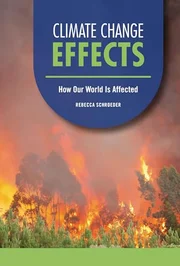
With an introductory reference to severe flooding in South Asia, Schroeder notes the increasing incidence of natural disasters across the world, including in areas with no prior history of them. She explains the impact of growing amounts of greenhouse gases released into the atmosphere since the Industrial Revolution, connecting the dots between the resulting rise in global temperatures that affects biodiversity, precipitation, crop patterns, and human health, and the loss of homes, livelihoods, and food security. Coastal cities are under threat of flooding as sea levels rise, and the fate of small island nations like Kiribati looks grim. The book underscores the responsibility of wealthier nations to fight the impending crisis—their actions generate a disproportionate amount of global emissions—and describes some ways that countries are adapting to the impacts of the changing climate. The crisp text and structured flow make this an informative and accessible read. The book features stock photographs but unfortunately lacks diagrams and other visual representations of the information presented. A short list of suggested actions offers young readers ways to be involved in movements to reduce climate change, while making no mention of how their consumption patterns directly relate to the worsening situation.
Categories
CLIMATE CHANGE EFFECTS