Most people have heard of Ramadan and the holiday that follows it, Eid al-Fitr. But have you ever heard of Hajj and Eid al-Adha? And how are they connected? If you’re not as familiar with these, you’re not alone.
For over two billion Muslims around the world, Hajj—the annual pilgrimage to Mecca— and Eid al-Adha, the Festival of Sacrifice, are among the most sacred and joyful occasions of the year, marking devotion, community, and the spirit of giving. Yet for many readers, kids and adults alike, the depth and meaning of these traditions can be difficult to grasp from the outside. Storytelling has always been one of the most powerful ways to bridge that distance, which is why we’re so excited to share our picture books, Zamzam for Everyone, and Sami’s Special Gift: An Eid al-Adha Story.
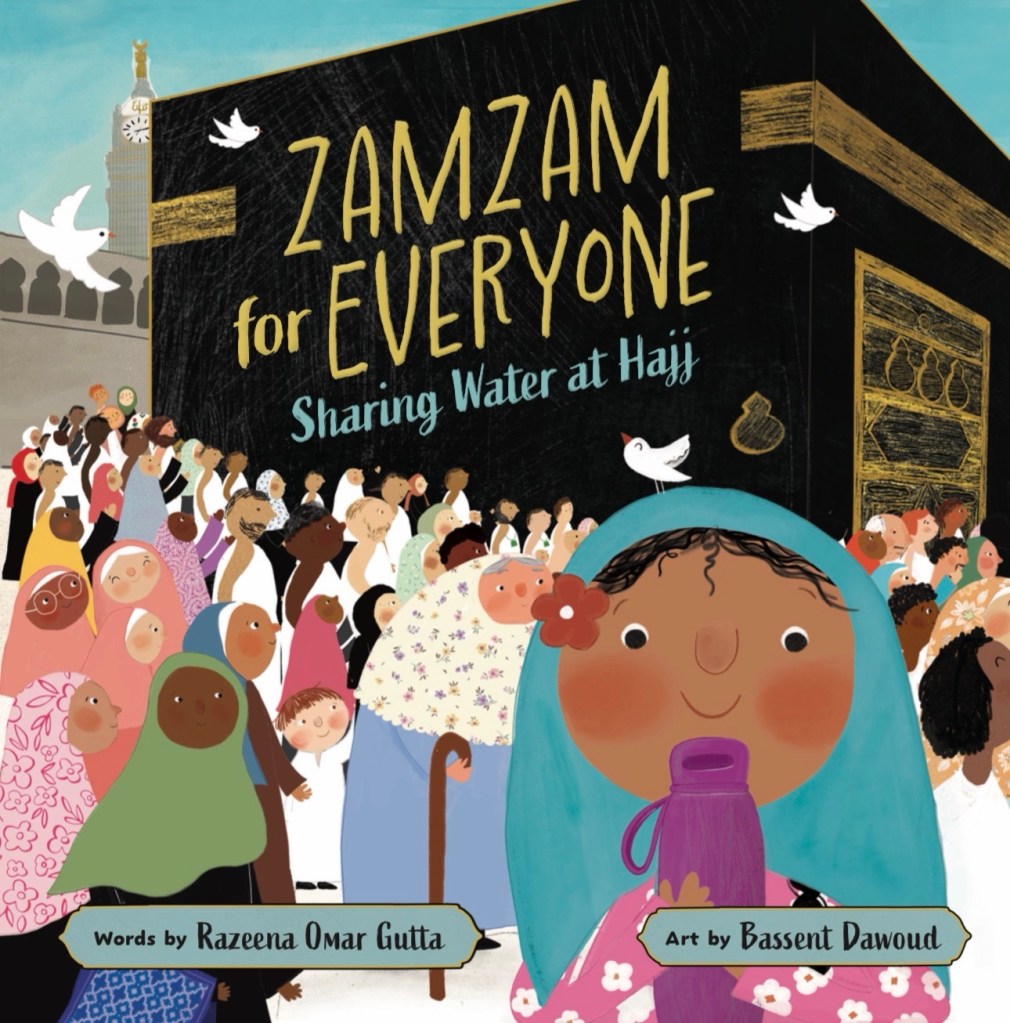
Zamzam for Everyone takes us into the experience of Hajj through a child’s eyes. We see people from all over the world gathered in one place, connected by faith, kindness, and small acts of generosity, like sharing water with a stranger. It’s a beautiful reminder of how something simple can carry deep meaning.
Sami’s Special Gift brings us into Eid al-Adha through a more personal story. Sami is navigating the holiday while also grieving for his grandfather. As he learns about giving and sacrifice, he finds a way to honor both his grandfather and others in need. The story opens space for conversations about loss, empathy, and what it really means to give.
So how are Hajj and Eid al-Adha connected? Just like Ramadan leads into Eid al-Fitr, Hajj leads into Eid al-Adha.
Hajj is one of the five pillars of Islam, an act of worship that many Muslims hope to complete at least once in their lifetime. Each year, millions of people travel to Mecca, retracing a story that goes back thousands of years to Prophet Abraham, his wife Hajar, and their son Ismail.
Eid al-Adha comes at the end of this journey. It honors Prophet Abraham’s willingness to make a great sacrifice out of love and devotion to God. When he was tested, and remained faithful, he was given a ram as a gift. This story is also shared in the Christian and Jewish faiths, and for Muslims, it’s remembered through acts of giving, sharing, supporting others, and showing gratitude.
And that’s where these two books meet. Both stories invite readers to think about what it means to give, to share what we have, to care for others, and sometimes, to let go of something important. They also open the door to meaningful conversations.
Here are some classroom activities to try after reading the two books:
Writing prompts:
· What does it mean to give when it’s hard?
· How can we honor people we’ve lost?
· In what ways can small acts of kindness make a big difference?
· Write about your own holidays and traditions. Describe what is similar and different compared to the stories you’ve read.
Classroom extensions:
Service Projects— Brainstorm ways to support your community. For example, create care kits for the homeless, donate blankets to a shelter; write letters to nursing homes.
You can find more free resources and activities on our website: www.moyuksel.com and www.razeenareads.com.
Happy reading and Eid Mubarak!
M.O. Yuksel is an author and educator whose award-winning children’s books such as In My Mosque bridge diverse cultural experiences through storytelling. Her books highlight little-known historical figures, and illuminate Muslim traditions, inspiring readers of all ages. Yuksel was born in Türkiye and grew up in NYC. Her multicultural experiences shape the stories she tells, and she continues to contribute to the literary landscape by highlighting the beauty of cultural diversity and the importance of empathy and understanding.
Razeena Omar Gutta is an international children’s book author known for her bright, playful, and joyful picture books. She has lived in Zimbabwe, South Africa, and now in Australia, and is an active member of her local community where she volunteers with people of all ages and cultures. These experiences have allowed her to explore different perspectives from around the globe. This, along with her desire to see books on shelves that she never had growing up, informs and guides her writing.