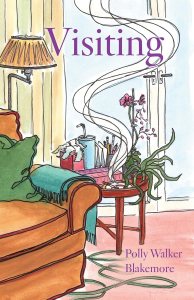
Synopsis:
When Polly Walker Blakemore’s mother entered hospice with dementia and depression, Blakemore realized their time together would be dwindling. A lifelong diarist, Blakemore also understood she had a chance to record the small, ordinary moments that knit a family and a home together—just as she had when her mother’s mother approached the end of her life 30 years earlier.
Expecting only a few months with her mother, Blakemore visited her as often as she could. They watched The Pioneer Woman and vet shows, debated the best burgers in town, shuffled between the TV room and the sunroom, counted pills and changed diapers, and wondered whether being ready for God might be as simple as the Barefoot Contessa’s 1-2-3 recipe for roasted root vegetables. Nothing much—and yet everything—because presence was the point.
Those months stretched into two and a half years, and Visiting is Blakemore’s intimate, wry, and clear-eyed account of that time—a portrait of a mother, a daughter, and the cadre of caregivers who accompanied them through a slow but certain decline. Rich in domestic detail and emotional truth, Visiting captures the bewilderment, tedium, absurdity, poignancy, urgency, and unexpected grace notes of end-of-life care.
With vivid, keenly observed prose, Blakemore illuminates what it means to be present with someone whose light is fragmenting and fading—and why such days, small as they seem, become the ones we value most.
Favorite Lines:
“As the sun sets, so does Mom.”
“All that matters is where I am now, not how I got here.”
“One part of my world came to a close while the rest of it continued as if nothing had changed.”
My Opinion:
I received a copy of this book from the author in exchange for my honest opinion.
Visiting is one of those books that feels deceptively simple at first. The structure is diary-like, moving day by day through the Blakemore’s visits with her mother during hospice care in 2018, but the emotional weight sneaks up on you gradually. There is no dramatic attempt to manufacture sentimentality here. Instead, the book lives in tiny observations, routines, irritations, jokes, snacks, cigarettes, television shows, diaper changes, and conversations that loop between lucid and surreal. It ends up capturing something about caregiving and anticipatory grief that feels painfully honest.
What struck me most was how grounded the writing feels. Blakemore doesn’t romanticize dying, and she doesn’t turn her mother into a saintly figure. Her mother is sharp, funny, stubborn, demanding, critical, affectionate, exhausted, confused, and still deeply herself all at once. Some of the best moments come from the small exchanges between them. The mother complaining about “that voice,” obsessing over food, wanting cigarettes, talking about mashed potatoes “just heaven,” or proudly staying up all night eating carrot cake and ice cream with Rhonda somehow become both funny and heartbreaking at the same time.
I also appreciated how the book acknowledges the strange practical side of death that people often do not talk about openly. There are scenes about fixing loose door handles, worrying about smoke smells in jackets, sorting medications, considering who will inherit furniture, picking out a casket, and organizing hospice logistics. One paragraph in particular about mentally cataloging household items while sitting beside her dying mother felt brutally real because it captures the guilt and weirdness of thinking about ordinary material things while someone you love is fading away.
The shorter paragraph style works very well for this kind of memoir because it mirrors the fragmented rhythm of caregiving itself. Some days are repetitive, some days are chaotic, some days are unexpectedly peaceful. The entries slowly build emotional momentum without ever becoming melodramatic. The humor also helps enormously. There are genuinely funny moments scattered throughout the book, especially in the mother’s blunt observations and stubborn personality. The scenes involving fast food runs, lottery tickets, Judge Judy, and endless snacks give the book warmth and personality rather than making it feel overwhelmingly bleak.
What really stayed with me after finishing the book was its tenderness. Not perfect tenderness, but lived-in tenderness. Blakemore openly admits that there were years she did not want to be around her mother and that she cannot fully explain why. That honesty gives the relationship more depth because it never feels artificially polished. The caregiving here is tiring and repetitive and messy, but it is also full of intimacy. The repeated back rubs, helping her move room to room, listening to the same stories multiple times, or simply sitting together watching television become acts of love.
Summary:
Overall, Visiting is a quiet but emotionally powerful memoir about caregiving, family history, aging, and the slow process of saying goodbye. It does not rely on dramatic revelations or flashy writing styles. Instead, it succeeds through observation, honesty, humor, and accumulation of detail. Readers who have cared for aging parents or watched a loved one decline will probably recognize parts of themselves in these pages immediately.