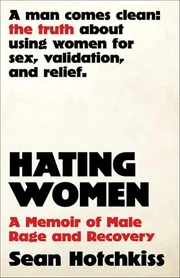
In his candid debut memoir, Hotchkiss, a magazine writer turned men’s life coach, describes the life events that precipitated negative feelings of powerlessness around his associations with women. Germaine to this emotional problem was his parents’ divorce when he was a child, being raised first by a single mother and then a controlling stepmother. Worse yet, the dissolution of his father’s second marriage in 2005 caused his father to descend into depression and eventual suicide when Hotchkiss was in his early 20s. “My beautiful father had chosen death over me,” he admits, and these traumas caused the author to dysfunctionally consider women as his life’s “compass,” guideposts gauging his worthiness as a man, validating his desire, and anchoring his identity. Terrified of being alone, he remained depressed and shiftless, womanizing and manipulating his way around the Manhattan singles scene in a self-described “romance roulette.” After a series of short-lived, crash-and-burn relationships, Hotchkiss writes he had “officially become my father” and contemplated suicide. He soon realized he suffered from a toxic relational impairment around women (and himself). The next decade became an exercise in psychological overhaul and reform where group therapy, 12-step rehab, meditation, and a vision quest in the Sierra Nevada mountain range began healing the unresolved traumas plaguing him. It wasn’t an easy fix, however, and, after several failed restart attempts, he finally reached the catharsis he needed through a full confrontation with his grief and rage. The author has since parlayed this experience into a life-coaching practice teaching men how to establish healthy, balanced relationships and overcome their vulnerability around and dependence on women. Hotchkiss elaborates on a variety of self-inquiry techniques that proved effective for him, alternating between experimentally hokey (recommendations for all men to get “sober from women for a period of time”) and more traditional and proactive (psychological trauma processing with a professional, “looking at our rage, head-on”), depending on the reader’s acuity level and openness to healing.
Categories
HATING WOMEN