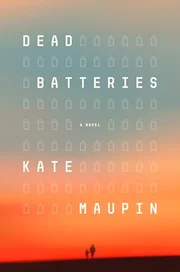
Fans of The Last of Us will find much to like in this tale of dystopian deprivation, in which a woman named May and her 10-year-old child, Davis, who has high support needs, are hunkered down in a Connecticut library, eating canned beans and stale crackers after a massive outbreak of the White Lung virus decimated the population and caused infrastructure breakdowns. May addresses her husband, Pat, who left his family when Davis was still a toddler. “I thought you were coming, Pat. I know you only said you’d try, and I also know better. But I kept hoping,” she says, worn out from foraging for scarce supplies and exhausted from coping with Davis’ unpredictable and often incomprehensible behaviors. As time passes, May finds it more and more difficult to know definitively who might be a member of a group like the Ghosts, vigilantes commandeering old school buses as their headquarters. Even after a rough-edged man calling himself Bird prods May into trying to reach a community called Beacon Village, she remains wary, as Bird attempts to coax Davis out of his well-loved routines: “He’s got to learn,” Bird says, taking the boy out to gather firewood. Once the ragtag trio encounters a Beacon Village scouting group at an abandoned hotel, May faces Holly, a community Warden, who feels Davis has been indulged. “There is no path forward where he does not endanger us,” she says, without a flicker of sympathy. Author Maupin is excellent at describing post-event workarounds like May discovering an unopened jar of peanut butter, or Bird finding a bunch of wrapped tampons. Some of the late plot twists feel as frantic as Holly’s attempts to maintain hierarchy. However, Maupin shows the deep bond a mother has to create in parenting a neurodiverse child, as well as how far that mother has to go to both protect and nurture the child. Davis may have limited verbal ability, but he’s fully human, capable of connection, and eminently worth saving.
Categories
DEAD BATTERIES